We offer a wide selection of natural gas refrigerators and freezers from top brands such as EZ Freeze, Diamond, Blizzard and more.
We are the leader in natural gas off-grid appliances. Contact Warehouse Appliance for more information from refrigerators and freezers. We are your off-grid living experts!



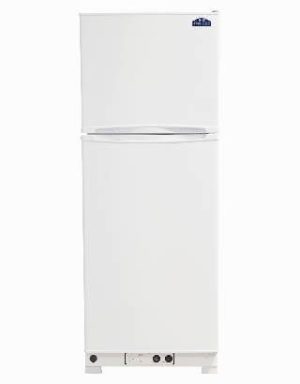
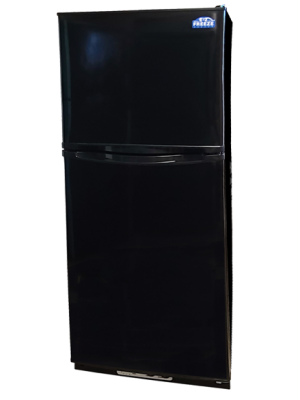
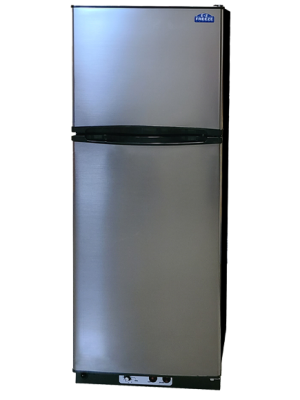
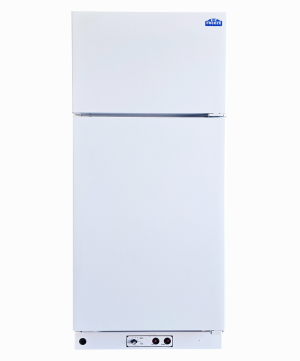
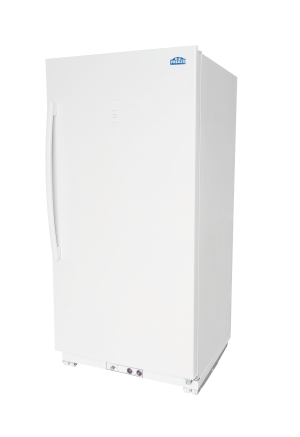
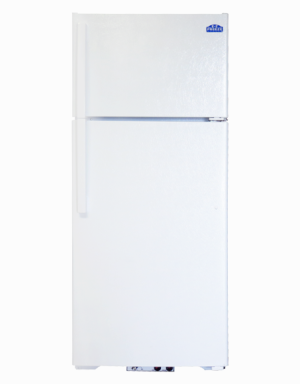
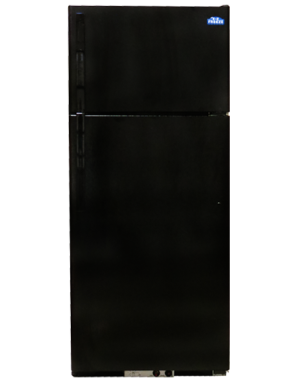
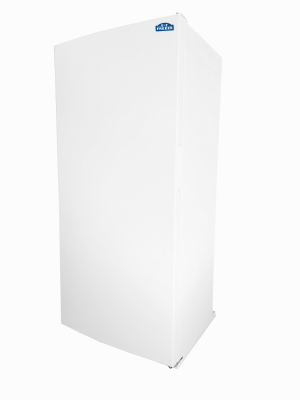
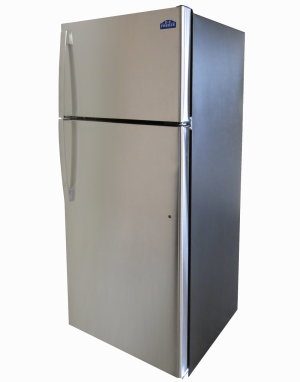
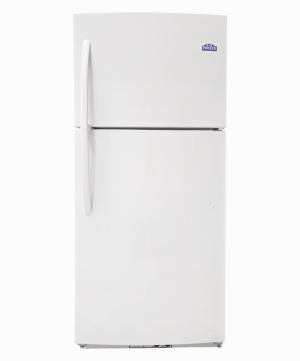
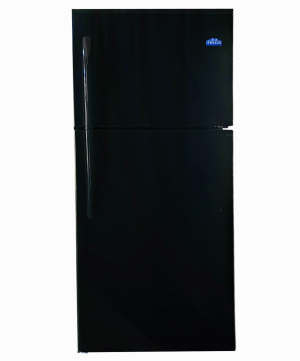
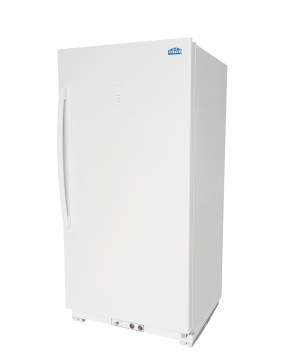
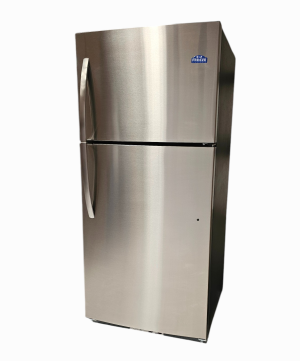
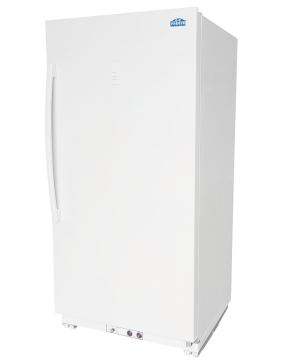
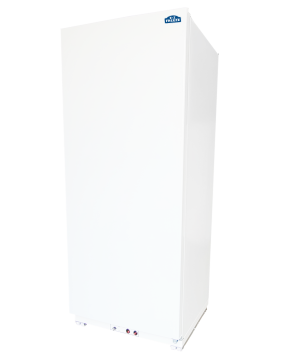
Warehouse Appliance is a leading distributor of natural gas refrigerators and freezers in the United States. Our team has a great love for the outdoors and we have also lived off-grid for over 25 years. This gives us a thorough hands-on knowledge of off-grid systems and applications, including appliances. Whether selling or repairing natural gas appliances our team of experts are ready to assist you. For repairs we also offer over the phone support and carry-in services.
One of our most compact signature refrigerators is the EZ Freeze EZ-10 Cubic Foot Natural Gas Fridge, perfect for outdoor settings including cabins, hunting camps, small cottages, outstations, and small living spaces. If you’re considering a durable gas refrigerator for short-term off-grid applications or single-person extended stays, look no further.
Our natural gas refrigerators and freezers are sufficient for any outdoor or off-grid application. For the natural gas off-grid refrigerators many come equipped with an inner refrigerator section that can carry at least four one-gallon containers. This provides enough room for food, drinks, and other consumables. Like a traditional refrigerator, our natural gas units also come equipped with easy-to-maintain glass shelves that maximize the interior space.
Our natural gas freezers are highly regarded. Whether you need a chest or upright gas freezer, Warehouse Appliance can help. We’ve been in business for over 30 years and have a thorough knowledge and technical know-how of our extensive inventory of affordable off-grid freezers.
Further details on our off grid natural gas freezers reveal that the door shelves can accommodate quart containers as well as most beverage bottles and cans. In addition, a fixed quick freezer white powder-coated aluminum shelf is included in the freezer compartment for extra convenience. This shelf transmits cold temperatures from the chilling plate at the back to the shelf surface beneath the food items. The freezer bottom, which is a white powder-coated metal plate, serves the same function.
Our high-quality natural gas refrigerators and freezers come with the following features:
A natural gas refrigerator has fewer moving parts than a traditional electric fridge. This means less wear and tear over time. Not only does this improve the refrigerator’s dependability, reliability and efficiency but it is also a better overall return on investment.
According to a recent report, the recent COVID-19 pandemic has boosted interest in off-grid living. With this has come a demand for off-grid appliances such as natural gas refrigerators and freezers, which can function outside the traditional electric grid. This makes them a highly sought-after alternative for people living closer to nature, off grid, and/or spending more time outdoors where conventional electric outlets are scarce or non-existent.
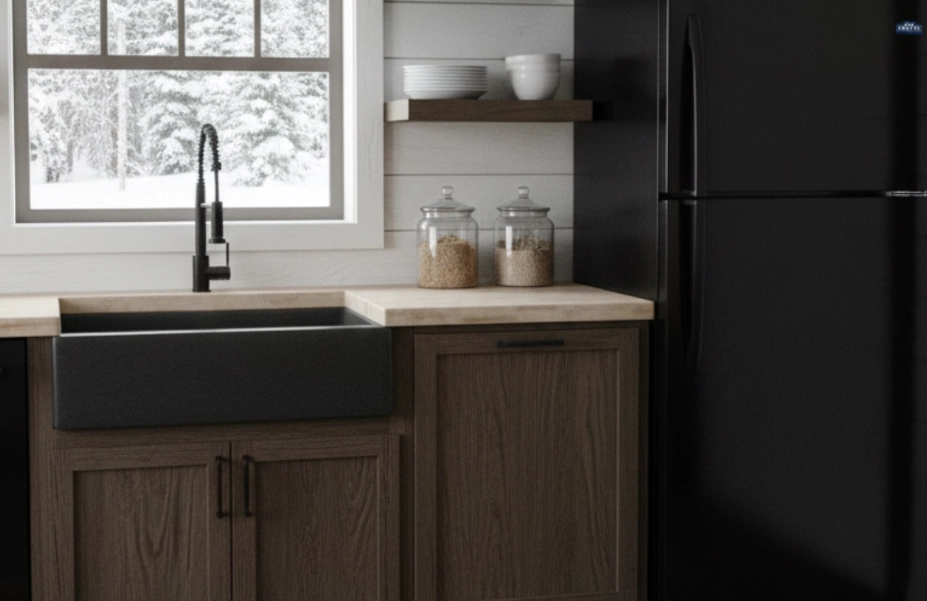
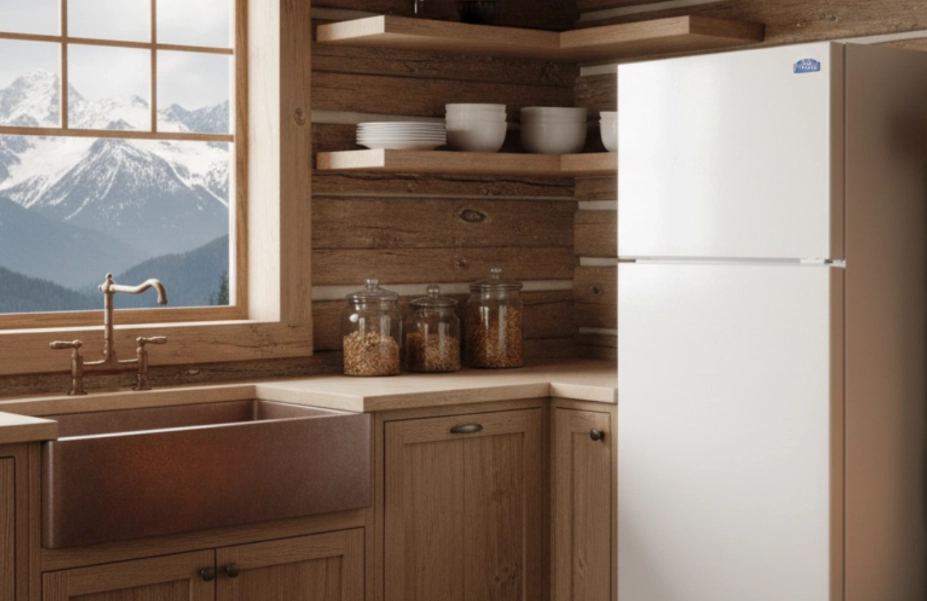
In recent years, the reliability of electric grids has come into question. Take, for example, the recent historic winter in Texas and parts of the US Gulf Coast, which completely knocked off the electric power to homes and businesses. In these types of scenarios, natural gas refrigerators and freezers are a welcome alternative.
From a scientific standpoint, gas generates heat more efficiently than electricity. As a result, gas-powered refrigerators have outperformed electric ones in many scenarios, even though they may cost more initially. Because they have fewer moving parts and feature a more minimalistic internal design, they tend to last much longer. Additionally, gas has a modest energy advantage compared to electricity.
Natural gas refrigerators use an absorption cooling system rather than a compressor. A small gas flame heats a sealed solution (typically ammonia, water, and hydrogen). As the fluids circulate, heat is absorbed from the fridge compartment, creating quiet, reliable cooling with no moving parts, which makes them ideal as off-grid appliances or for backup use.
No broad, universal phase-out exists. Policies vary by location and often apply only to certain types of new construction. Many regions continue to permit and support gas appliances, especially for specialized or off-grid applications. Always check your local codes, and our team can help you understand what applies to your property.
Often, yes—with the correct conversion. Many refrigerators and ranges are engineered to operate on either natural gas or propane when fitted with the manufacturer’s approved orifice and regulator kit. For safety and performance, conversions should be performed by a qualified technician, and you should use only parts specified for your exact model.
When installed and maintained correctly, yes. Proper venting, adequate clearances, and periodic inspection of the burner, flue, and seals are essential. We also recommend using a carbon monoxide detector in the space where it is set up as an added precaution.
The absorption-style natural gas refrigerators we offer are designed to operate without electricity. The cooling cycle is powered by a small gas flame, so there is no compressor or electrical draw.
Upkeep is simple: keep the burner area clean, inspect the flue for soot, check door gaskets, and make sure the unit stays level. An annual service by a qualified technician, including cleaning the burner jet, verifying gas pressure, and confirming a proper draft, can help keep efficiency high and prevent shutdowns. Wipe interior surfaces regularly and defrost when frost covers about 75% of the cooling fins.
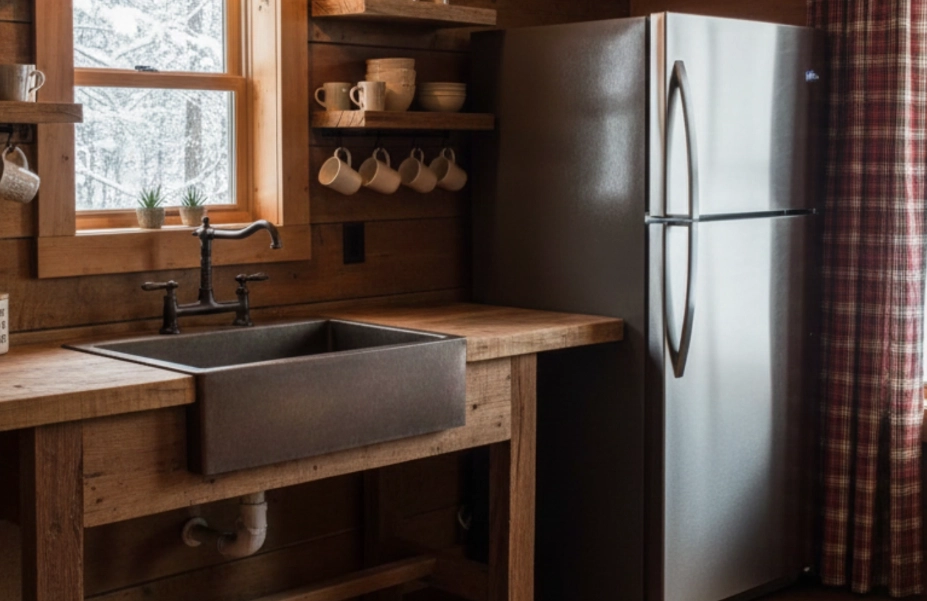
Warehouse Appliances is one of the world’s leading manufacturers of natural gas off-grid appliances. This includes high-quality, durable, and energy-efficient natural gas refrigerators and freezers.
All of our customers have access to an online technical support service. To learn more about our renowned refrigerators and freezers, get in touch with us today and ask about our 7-year extended EZ Freeze warranty!